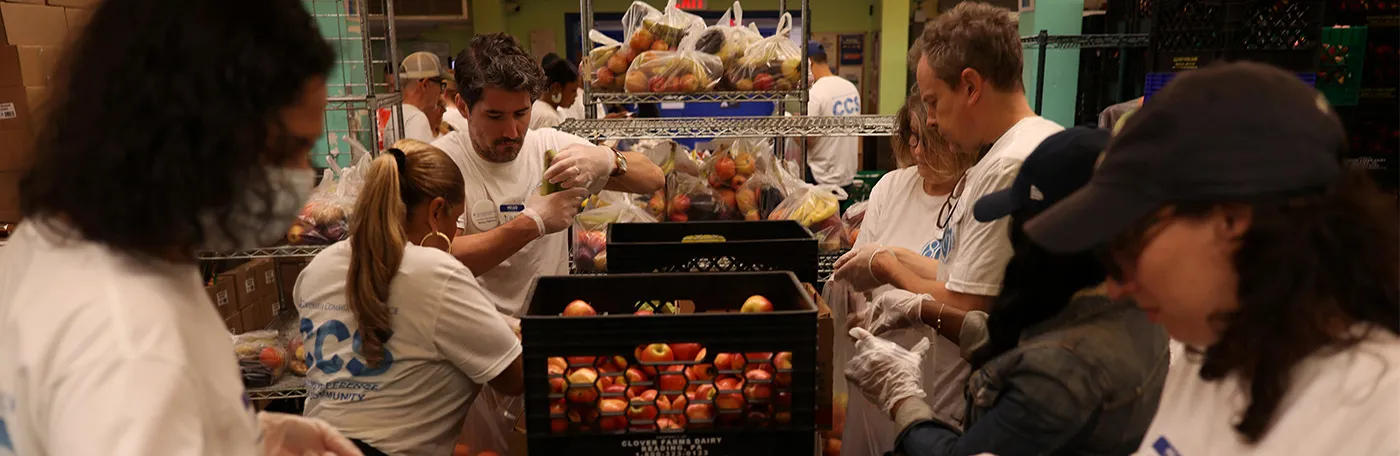
It all started with a simple bouquet from a Columbia librarian’s garden. Now, over the course of the last 80 years, Columbia, Barnard, and Teachers College employees and retirees have donated more than $6 million in grants to more than 100 nonprofit programs that combat hunger, provide social services, support the arts, and offer educational enrichment for youth in Harlem and Morningside Heights.
This year, we’re on an audacious mission to raise $500,000 in honor of eight decades of service in Upper Manhattan. As we look back on this history of employee giving and the legacy of life-changing work our grantees continue to make possible, we thank you for all that you have done, and all you will continue to do.
“Columbia Community Service is one of the most powerful ways our faculty, staff, and retirees demonstrate our collective commitment to supporting and serving our local community.”
From Three Friends to a University-Wide Campaign
In 1942, at the end of 30 years as Columbia University’s head reference librarian, Isadore Gilbert Mudge sold bouquets from her own garden to raise money for war relief. With two friends, “faculty wives” Elizabeth Cady Stanton Blake and Lolita Mollman Finch, she formed the Columbia Committee for Community Service in 1946. By November of 1947, the committee wrote to every Columbia faculty and staff member and asked for help. That letter became the Annual Appeal.
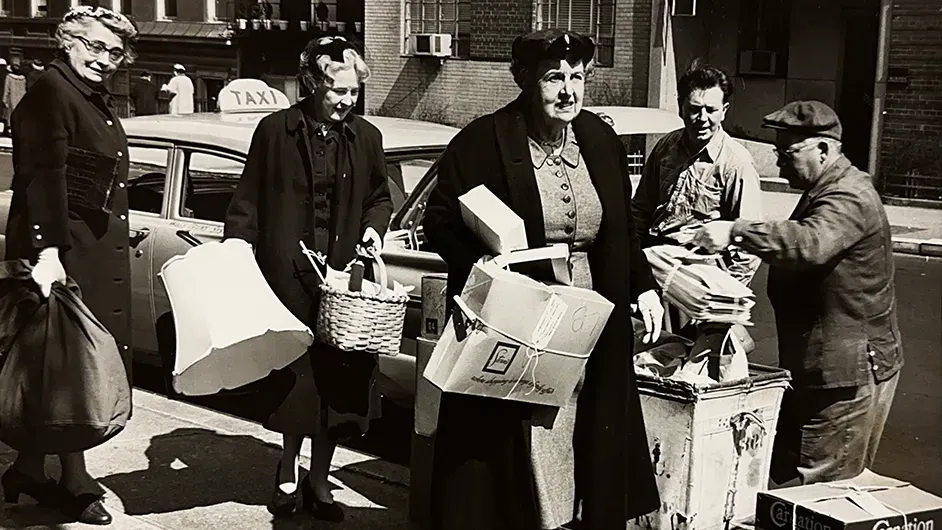
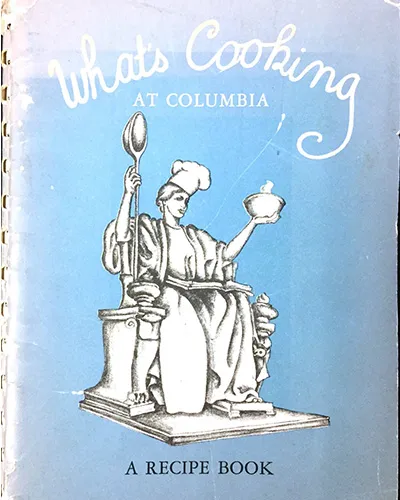
Their efforts, including a thrift shop, a charity gift shop, and an incredible cookbook of Columbia recipes designed to “help cook Hitler’s goose,” were the foundation upon which CCS, as we know it today, was born. In 1953, in the Columbia Spectator, Finch was “happy to report that since its founding, the committee had made approximately $50,000.”
Their work, however, expanded even further after the war, including sending funds to Peking, China, for the treatment of tuberculosis, the development of a “Children’s Programs Series” to provide enrichment for underserved youth in Upper Manhattan, and student scholarship funds.
Run by Finch from a kitchen in a brownstone at 415 W. 117th St., the gift shop sold books, jewelry, dishware, paintings, and knick-knacks until 1964. At that point, the gift shop alone had raised more than $80,000 for local charities, aid organizations, and community centers.
A Local Focus for a Local Institution
As the work of the gift shop wound down, the Committee shifted its focus to exclusively local causes, deploying volunteers to local aid organizations and beginning the process of distributing grants to nonprofits in the area directly surrounding Columbia’s Morningside Heights campus.
By the early 1970s, the Committee ran its yearly drive as the Columbia Community Chest, raising money for neighborhood welfare agencies and for the citywide agencies of the United Fund of Greater New York. Around this same time, Barnard College and Teachers College joined the campaign, running parallel drives within their academic communities.
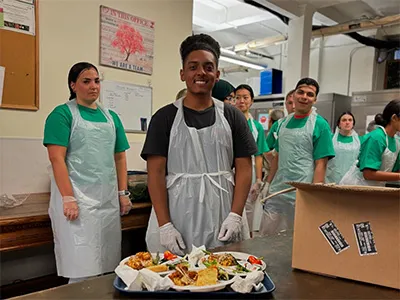
In the 1980s, the Committee established one of its longest nonprofit partnerships with Broadway Presbyterian Soup Kitchen, today known as Broadway Community. Donated funds from Columbia faculty and staff helped to establish the free lunch program, and between 1981 and 1986 the service grew from serving 60 to 300 meals per week.
In 1986, the Committee officially changed its name to Columbia Community Service with an exclusive focus on community service organizations in Morningside Heights, Harlem, and Washington Heights. Columbia faculty and staff were invited every year to support local efforts through donations and payroll deductions. In the next decade, it would expand services in Harlem Hospital, contribute to a community school on Striver’s Row, and improve housing conditions in West Harlem.
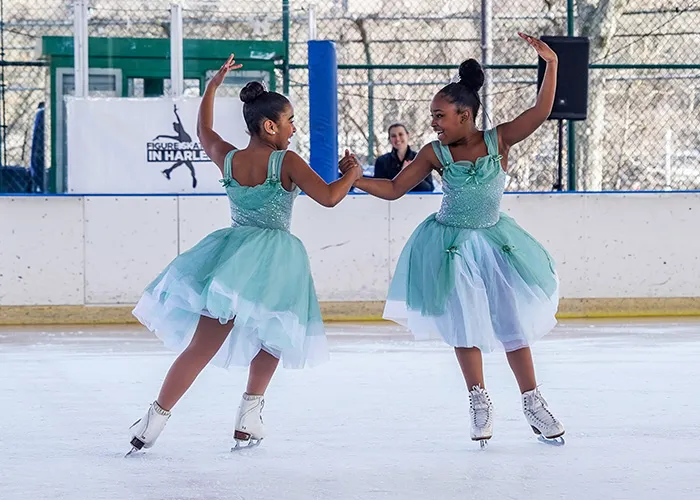
The 50th anniversary of CCS, in 1996, was a groundbreaking one with more than $220,000 raised by faculty, staff, and retirees. It raised the bar for what the employee giving campaign could do. The late ‘90s and early 2000s saw the start of longstanding nonprofit partnerships, given this burst of funding. Among the grantees who are still recipients of CCS funding: Harlem School of the Arts, Bloomingdale School of Music, Wendy Hilliard Gymnastics Foundation, and Figure Skating in Harlem.
Joan Griffith-Lee (GS’98, SIPA’05, SPS’17) also started working for CCS during this time, before taking the helm as its director. A tireless advocate for the people behind education, food relief, and cultural programs in Upper Manhattan, Griffith-Lee is the backbone of CCS. She has visited with every single grantee and asks the same question each time: “Is there anything you need from us outside of the grant?”
In hearing those answers, Griffith-Lee would find ways to connect grantees to people and departments at Columbia that could help. Columbia Facilities found anti-fatigue mats for a local soup kitchen, so its volunteers could be supported as they prepared meals. CUIT cleaned up older computers to be used for adult education classes. Columbia Business School and the School of Professional Studies offered nonprofit management seminars to grantee leadership.
“Every time you make a donation to CCS, you make our grantee organizations stronger,” Griffith-Lee said.
A Timeline of Service
A small gift shop, a thrift shop, and a cookbook, What’s Cooking at Columbia?, fund early giving.
Gifts support charities at home and abroad, from the Heart Association to Save the Children.
As New York City faces an economic downturn, giving shifts to local agencies.
A reception at Low Memorial Library raised more than $220,000 for local causes, kickstarting decades of more robust grantmaking for local nonprofits.
In the 2000s, CCS shifted to supporting more hyper-local organizations. For smaller nonprofits, these micro-grants of $1,000 to $10,000 make a world of difference, allowing flexibility in responding to the real-time needs of the community.
During the 2025-2026 Annual Appeal, 450 donors gave nearly $250,000. Grantees were honored at the Lee C. Bollinger Forum in Manhattanville.
A new campaign goal of $500,000, a presidents’ kickoff, and a year of drives and service.
Image Carousel with 13 slides
A carousel is a rotating set of images. Use the previous and next buttons to change the displayed slide
-
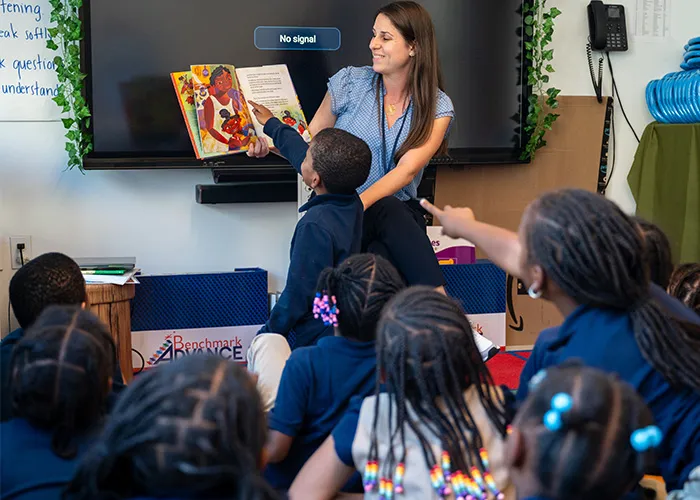
Slide 1: A Harlem Academy Spanish class.
-
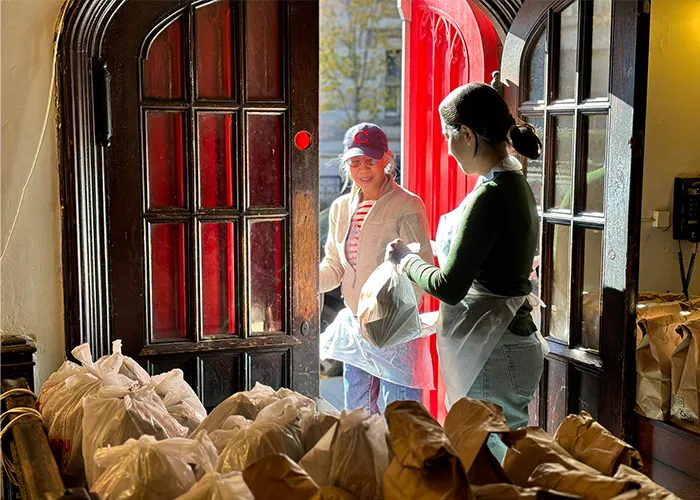
Slide 2: A Broadway Community meal distribution.
-
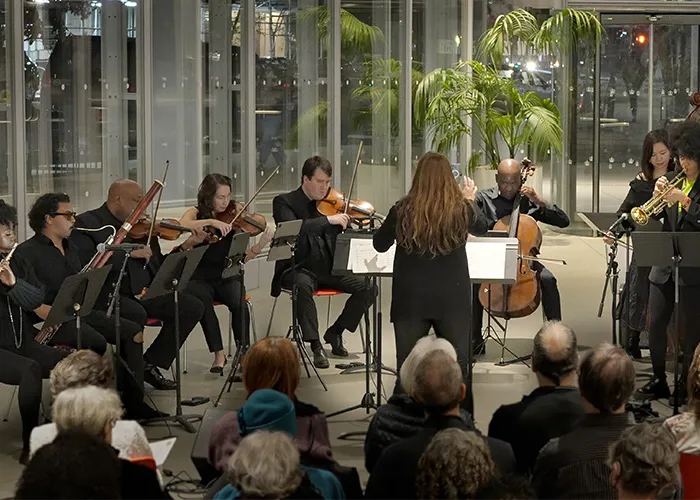
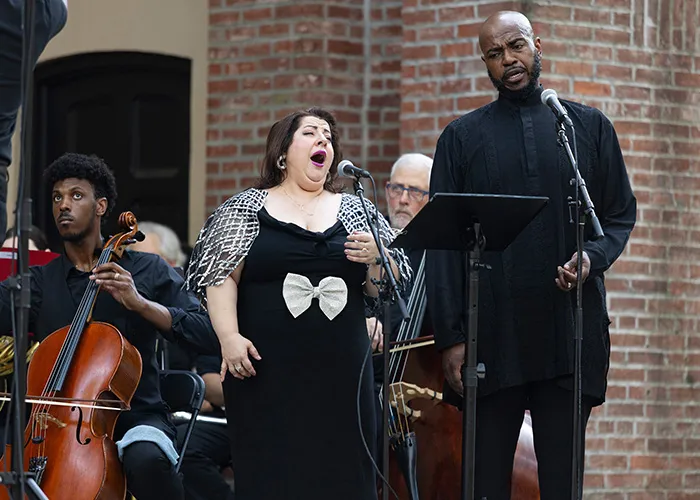
Slide 3: The Harlem Chamber Players.
-
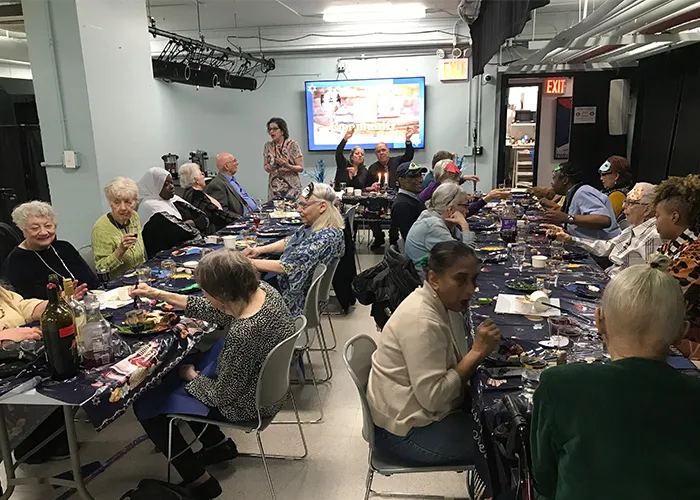
Slide 4: A Morningside Retirement and Health Services gathering.
-
Slide 5: A Figure Skating in Harlem performance.
-
Slide 6: A Courtney’s Stars of Tomorrow performance in Jackie Robinson Park.
-
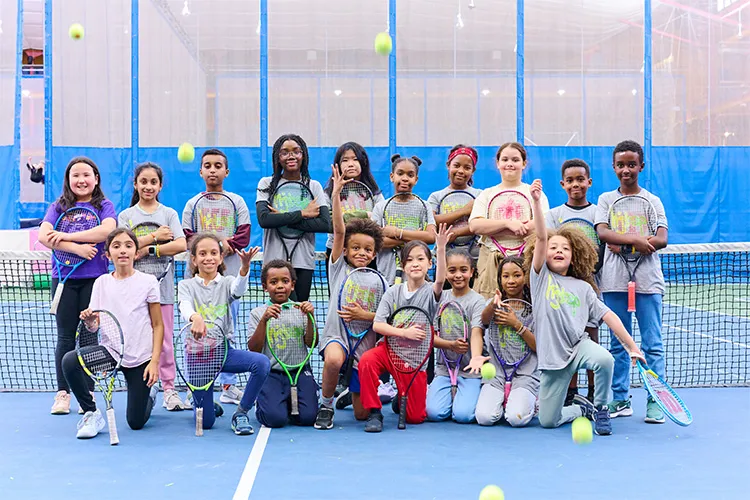
Slide 7: A group photo from the Harlem Junior Tennis & Education Program.
-
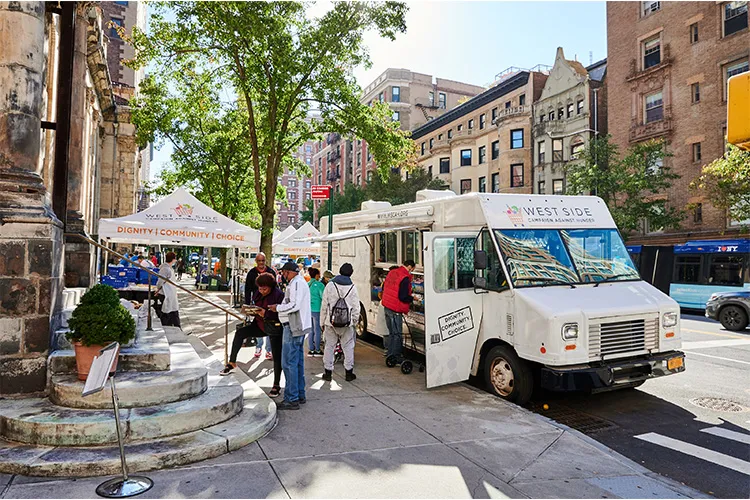
Slide 8: A West Side Campaign Against Hunger (WSCAH) mobile food delivery truck.
-
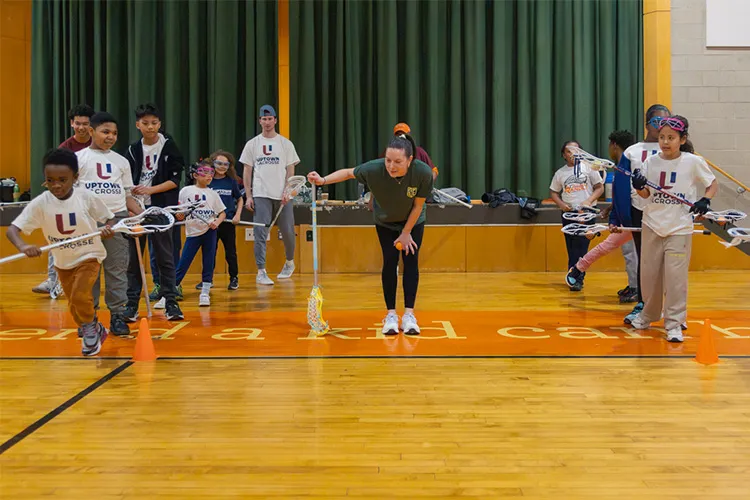
Slide 9: A Harlem Lacrosse practice.
-
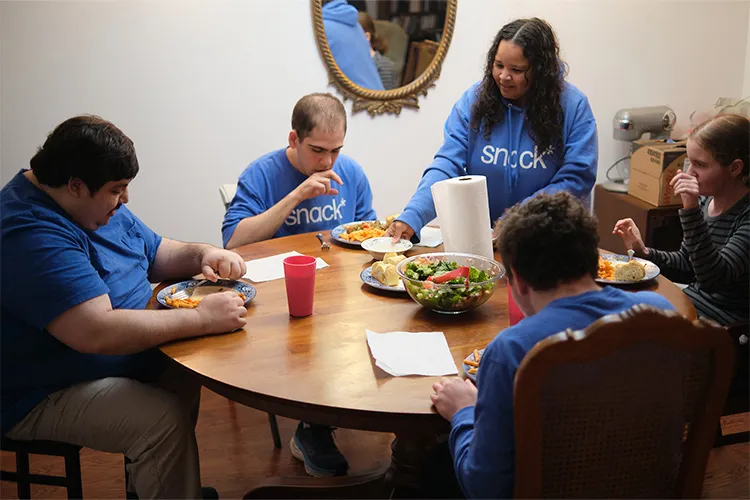
Slide 10: A SNACK* (Special Needs Activity Center for Kids and *Adults) session.
-
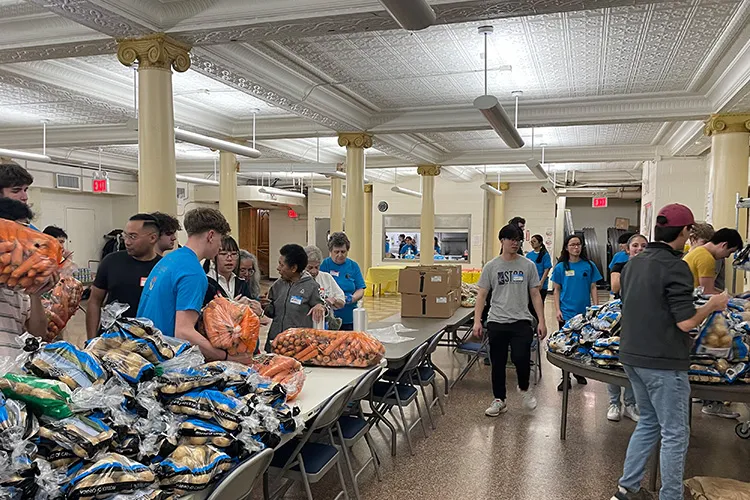
Slide 11: A food distribution at Ascension Food Pantry.
-
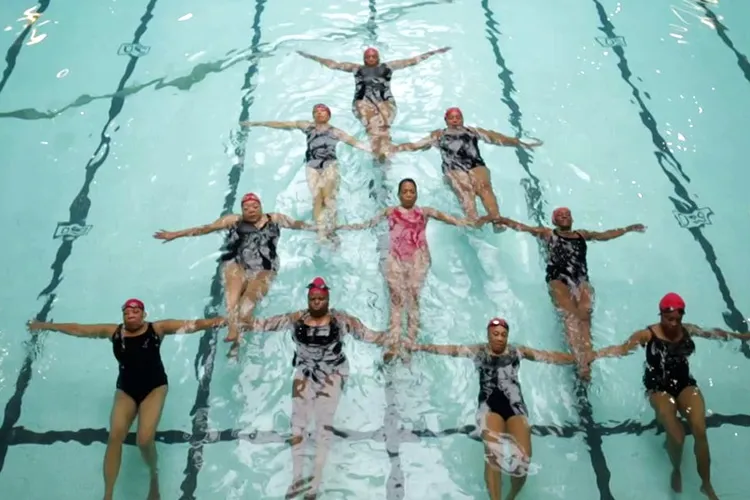
Slide 12: A Harlem Honeys & Bears Swim Team practice.
-
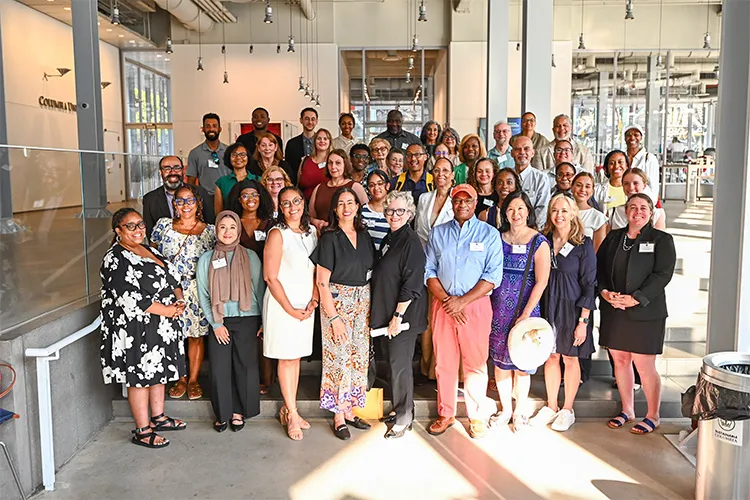
Slide 13: CCS Grantees of the 79th Annual Appeal.
Bringing Us to Today: The Power of the Micro-Grant
From 2005 to 2015, Columbia faculty, staff, and retirees gave another $2.5 million to local community organizations through CCS. Basketball tournaments organized by Columbia Facilities, Barnard College bike-a-thons, and cooking classes hosted by Columbia Dining’s Chef Mike became a staple part of fundraising efforts, as did annual Thanksgiving turkey donations, a coat and toy drive, and a back-to-school backpack drive for West Harlem students. When the COVID-19 pandemic hit, Columbians answered the call to service again, providing $83,000 for food relief in 2020 alone. Ever since, CCS has also hosted a springtime food relief fundraiser.
Behind those expanded efforts was less immediately noticeable work. Every year, staff, board, and steering committee members head to grantees, visit with them, and report on their efforts. Jean McCurry, a retired Barnard administrator and CCS board member for 14 years, estimates she did about 18 site visits during her time on the board and remembers those meetings as “a seminar in finding out what was going on all around the community.” What they continually found was that even a small amount of money travels a long way when it is kept local.
“These grants go directly to my neighbors, to the people around us, to the people I pass on the street every day.”
A. Lin Goodwin, Evenden Professor Emerita of Education at Teachers College, coordinated the campaign among Teachers College faculty for more than a decade and said larger funders are often thinking on a scale much bigger than a nonprofit’s day-to-day needs. At the same time, a small grant can be “very timely for small needs that are actually pretty imperative,” Goodwin said.
Mark Kerman, longtime CCS Board president and former assistant vice president of residential and commercial operations at Columbia, echoes that sentiment, noting, today’s grantees have “tremendous impact for very little money in the scheme of things.” Because every donated dollar goes to grants, and Columbia covers the administrative costs of dispersing the funds, a gift of even $5 reaches a neighbor.
Another remarkable element of CCS’ work, Kerman said, is that it has historically funded nonprofits early in their founding, enabling them to get off the ground and grow their services when they need the funding most. He pointed specifically to CCS’ longtime support of West Side Campaign Against Hunger (WSCAH), which is now considered a city-wide and national leader in providing dignity of choice in procuring healthy food and supportive services.
Priscilla Bayley of Cathedral Community Cares (CCC), located steps from Columbia’s campus in the Cathedral Church of Saint John the Divine, put it another way: “Many funders have narrow interests, but CCS allows us to respond to real needs.” A few years ago, several of CCC’s decades-old refrigerators and freezers broke down and “CCS funds meant we could act immediately,” Bayley said.
“Real lives are being impacted. This work is so important.”
Griffith-Lee remembered an early visit to Broadway Community's soup kitchen. The chef took her down to the pantry and pointed at shelves of food. “This is all the food we bought with the CCS grant,” he said. Then he showed her what it became: a community meal every Thursday.
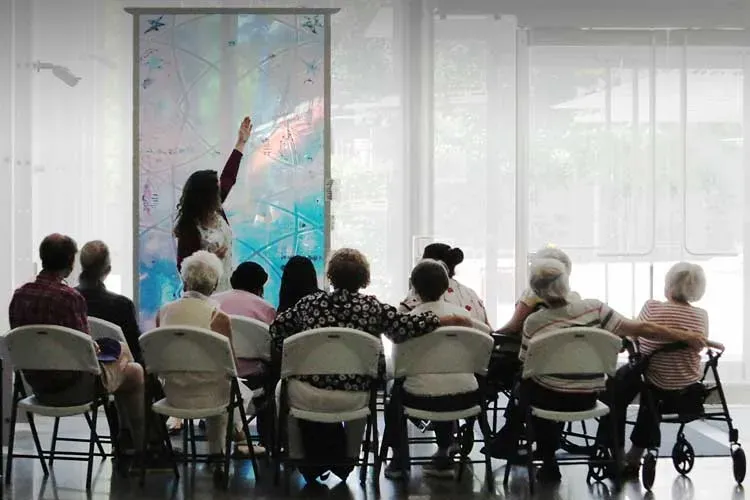
Not every grant is about food relief. When McCurry visited Arts & Minds, which offers art programs for elders with memory loss, McCurry joined in and painted, becoming a part of the community built through shared creative expression. She also paid a visit to the Harlem Honeys and Bears Swim Team, which teaches Uptown seniors to swim and provides water therapy for chronic illness. On that visit, she saw the exact spot in the pool where two members of the team got married, and she “fell in love” with the nonprofit herself.
“I can promise you, when you take somebody on a site visit, they are sold on the power of CCS grants forever,” McCurry said.
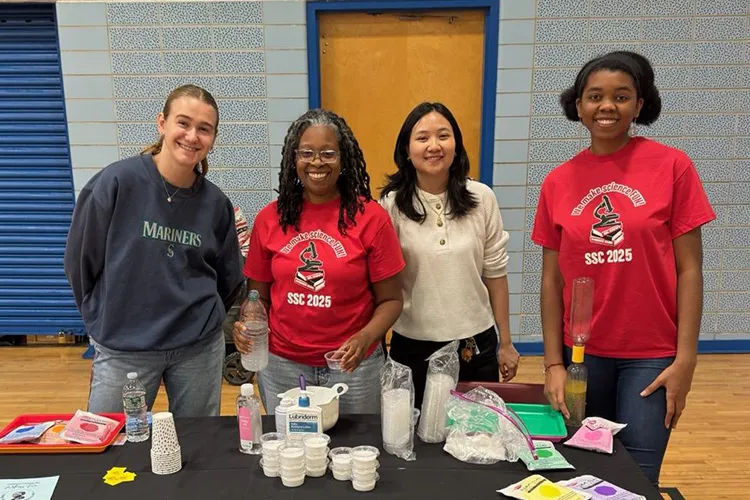
Stephanie Farmer, known throughout Harlem as “Ms. Steph,” runs what she calls a “micro nonprofit,” Triple F Empowerment, which has reached 10,000 Upper Manhattan students with STEM education since 2012. Receiving support from CCS reminds her that “I don’t have to do this myself, and neither do you.”
Since its start, CCS, in all its forms, through the generous donations of Columbia, Barnard, and Teachers College faculty, staff, and retirees, has invested more than $6 million in grants to more than 100 nonprofit programs. In the past five years alone, CCS has awarded $1.6 million in grants.
This year, for the 80th anniversary of this incredible program, the team is working toward its most audacious goal yet: $500,000 raised for grants to ensure services that inspire connection, provide nutrition, help the arts flourish, and expand education for local youth will continue for the next 80 years. You can join this incredible legacy at any time this year by giving through credit card or payroll donation.
“I just hope the 80th Annual Appeal is the best yet,” said McCurry before sharing a quote from Pericles she hopes continues to guide the work of all who contribute to CCS:
“What you leave behind is not what is engraved in stone monuments, but what is woven into the lives of others.”
“This is about hundreds of acts of kindness that may seem so small, but the aggregate of them is just a beautiful thing.”
What Our Community Has Accomplished In the Past Five Years Alone
Every single dollar goes directly to grantees; Columbia University covers the staffing and cost of administering CCS.
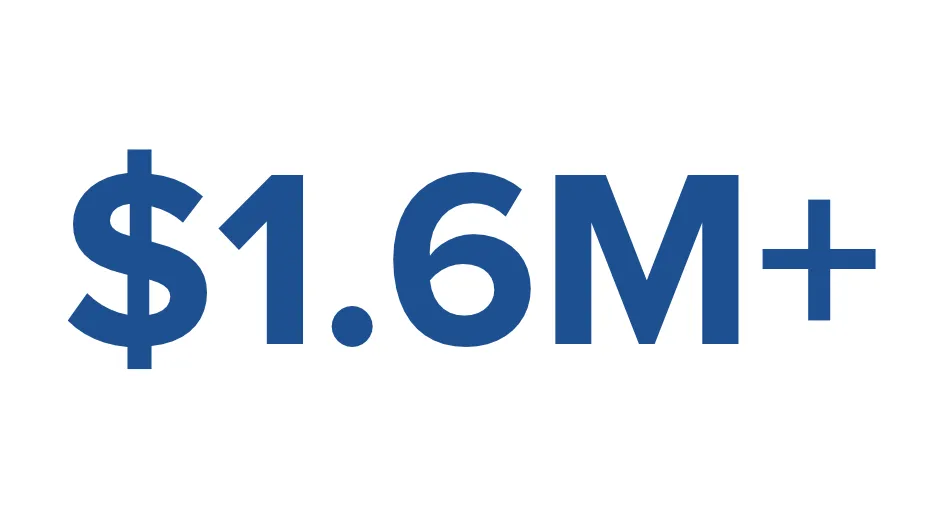
to more than 70 local nonprofits.
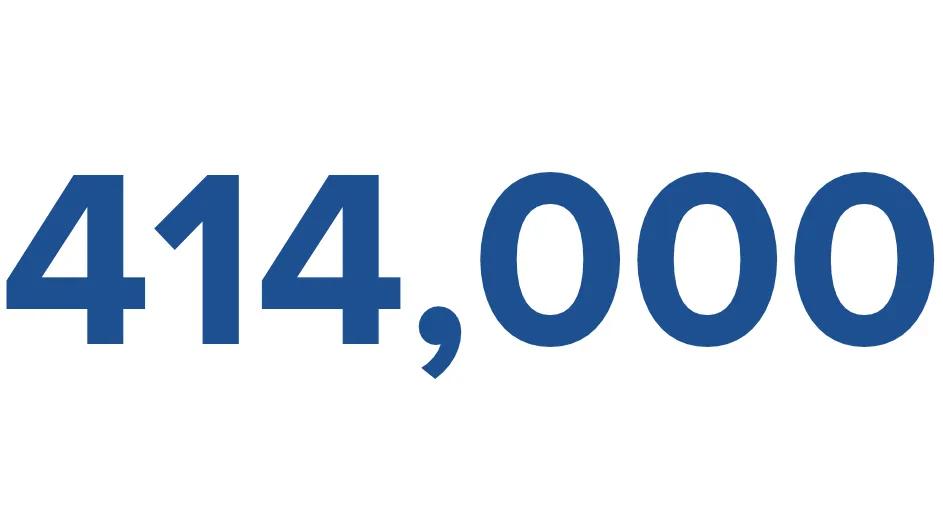
to neighbors in need, through food relief partners.
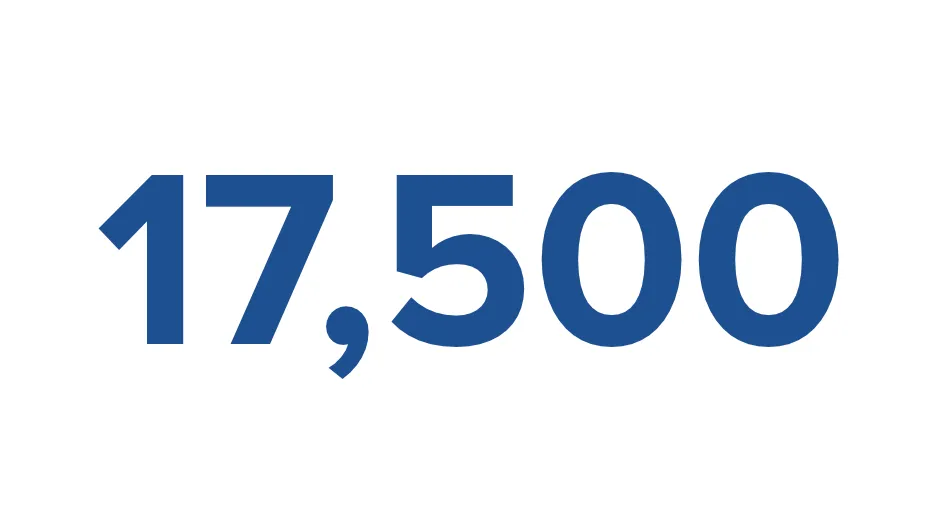
with STEM, arts, and literacy enrichment.
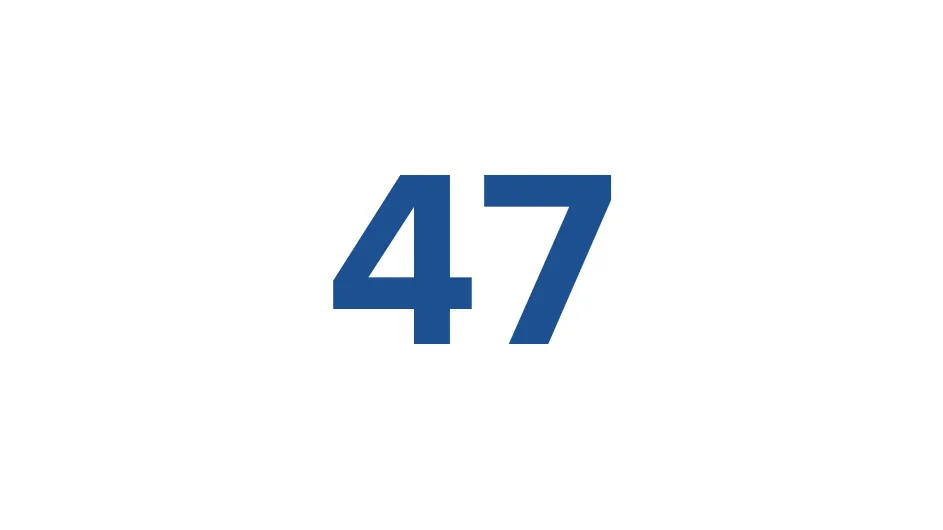
with yearly grants ranging from $1,000 to $10,000.
In Their Own Words
Donors, grantees, and volunteers share the impact Columbia Community Service has made on their lives, and the lives of others Uptown.
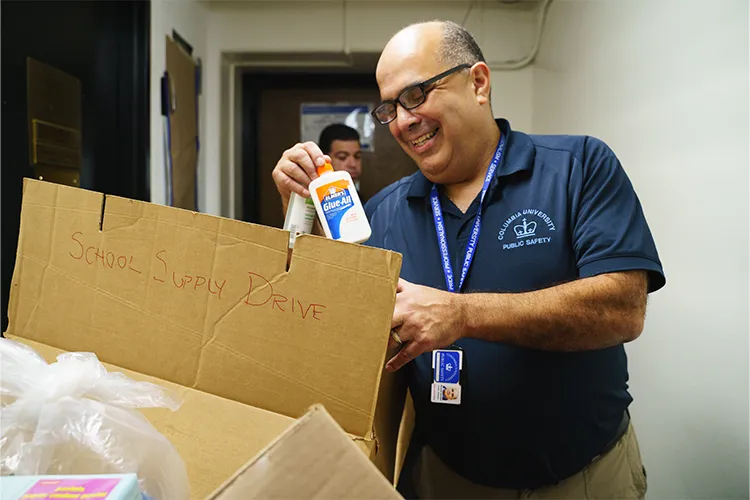

“I think flexibility is the biggest gift,” said Priscilla Bayley, of Cathedral Community Cares’ development team. “Many funders have narrow interests, but CCS allows us to respond to real needs. When several of our refrigerators and freezers broke down (one was 20 years old!), CCS funds meant we could act immediately.”
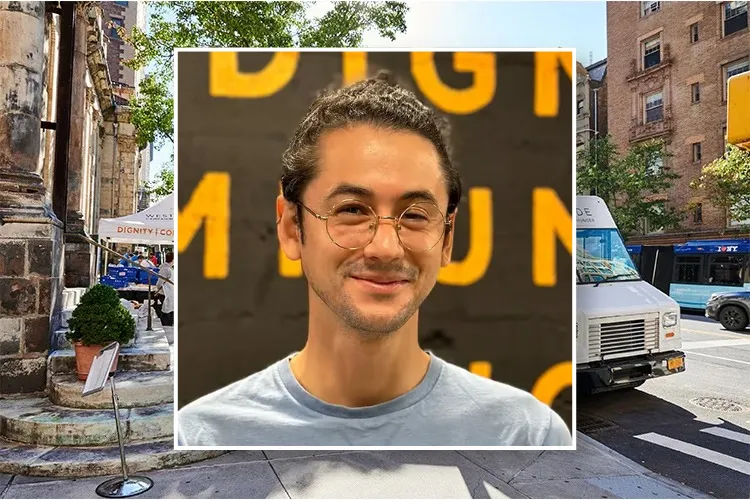
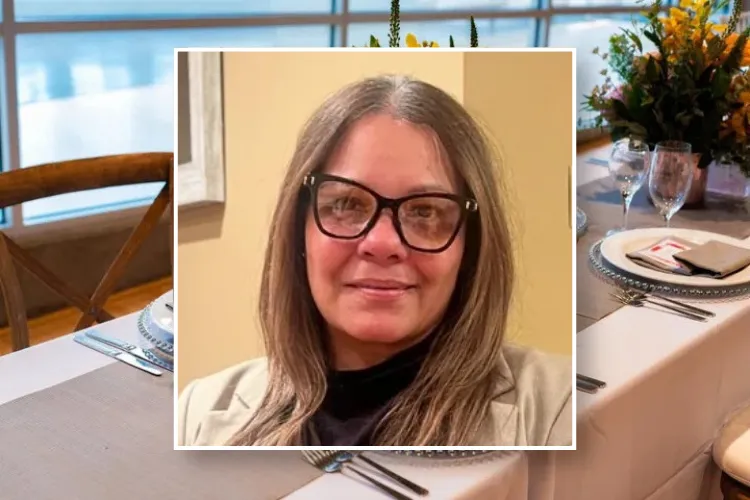

Join the 80th Annual Appeal
Columbia Community Service is the employee-giving campaign of Columbia University, Barnard College, and Teachers College. We invite all faculty, staff, and retirees to join the tradition and help us pursue the ambitious goal of raising $500,000 to support local nonprofits in Harlem and Morningside Heights.
“Everybody should be out there, willing to do this to help support your community and the people around you. At the end of the day, it makes everybody’s life better, raises everybody up, and it’s just the right thing to do.”